
How Screws Are Made: A Step-by-Step Manufacturing Guide
How Screws Are Made: A Step-by-Step Manufacturing Guide
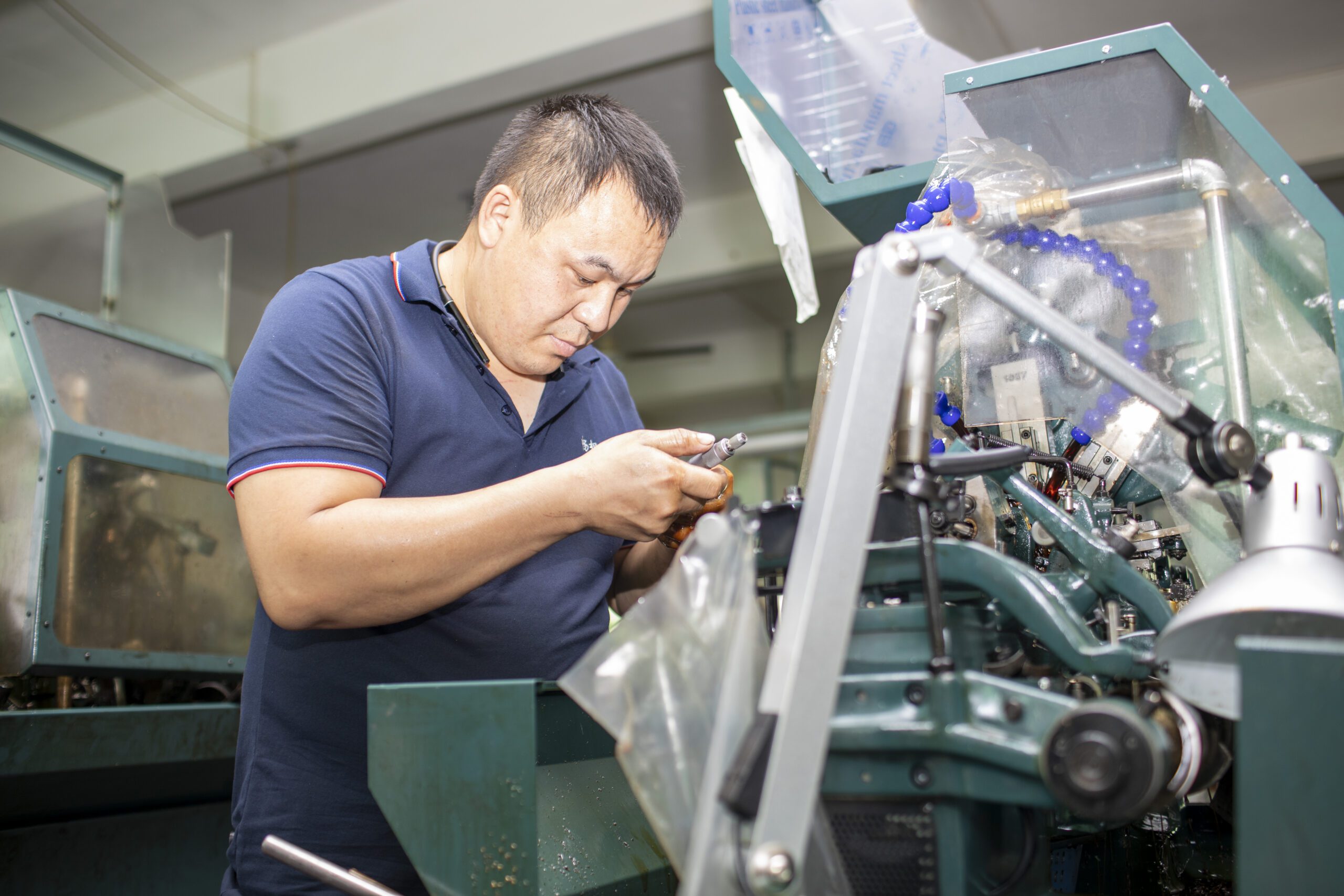
1. Raw Material Selection
The first step in screw production is selecting the appropriate raw material. Common choices include steel and stainless steel, each with its own advantages. Steel is a strong and cost-effective material, while stainless steel offers superior corrosion resistance. The raw material is chosen based on the intended application and environmental conditions.
2. Cutting and Shaping
Once the raw material is selected, it is cut to the desired length and shape. This is typically done using machines such as saws or lathes. The cutting process must be precise to ensure that the screws have the correct dimensions for further processing.
3. Thread Formation
The next critical step is the formation of the threads. There are several methods used for this purpose, including rolling, cutting, and grinding:
- Rolling: The most common method, where the raw material is forced between two dies with the desired thread profile. This process forms the threads by deforming the material.
- Cutting: Involves using a lathe or milling machine to cut the threads into the material. This method is more precise but also more expensive.
- Grinding: The least common method, where a grinding wheel is used to grind the threads into the material. This is a highly precise but costly process.
4. Heat Treatment
After the threads are formed, the screws undergo heat treatment to improve their strength and durability. This process involves heating the screws to a high temperature and then cooling them slowly, which changes the microstructure of the steel, making it harder and stronger.
5. Surface Treatment
The screws may then undergo surface treatment to enhance their properties or appearance. This can include plating with zinc, nickel, or chrome to prevent corrosion, or applying a protective coating.
6. Inspection and Quality Control
Throughout the production process, the screws are inspected for quality control. This includes checking dimensions, thread quality, and surface finish to ensure they meet the required standards.
7. Packaging and Shipping
Finally, the screws are packaged and prepared for shipping. This may involve sorting by size, type, or other criteria, and then placing them in containers or boxes for transport to customers.
In summary, the screw production process is a complex and precise operation that requires specialized equipment and skilled operators. From raw material selection to final packaging, each step is critical to ensuring the production of high-quality screws that meet the needs of various applications.